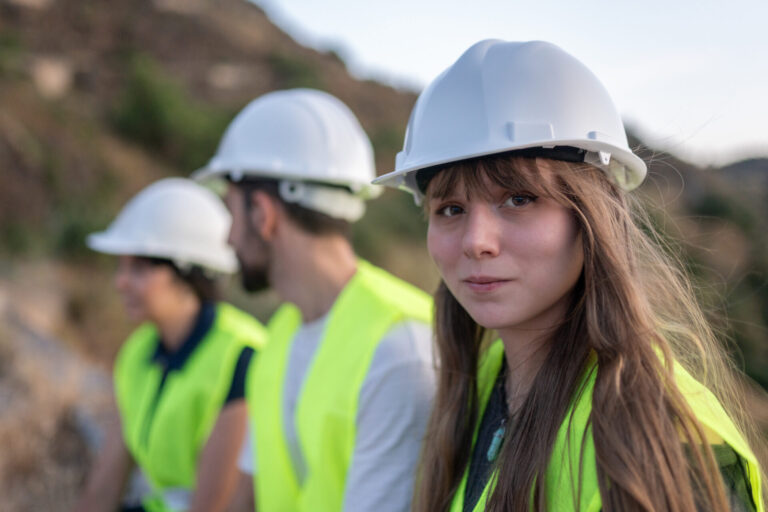
Working on a COMAH-regulated site isn’t like working anywhere else, and for good reason. These are high-hazard environments where the consequences of mistakes can be severe, so the focus on safety is non-negotiable.
If you’re a mechanical or multi-skilled engineer operating (or looking to work) on a COMAH site, here’s what you need to know, and how to stay compliant, confident, and safe.
What is a COMAH site?
COMAH stands for the Control of Major Accident Hazards, a UK regulation that applies to facilities storing or processing dangerous substances. This includes:
- Chemical processing plants
- Fuel storage terminals
- Energy-from-waste facilities
- Pharmaceuticals and industrial manufacturing sites
These sites are categorised as either Lower Tier or Upper Tier, depending on the volume and type of hazardous materials involved. Either way, safety procedures are strict, thorough, and consistently enforced.
- Understand permit-to-work systems
One of the most critical parts of any COMAH site is the permit-to-work (PTW) system. Before starting any work, especially anything non-routine, you’ll need to:
- Obtain a valid permit, signed by a competent person
- Understand isolations, lockout/tagout requirements
- Attend pre-job briefings or toolbox talks
- Sign on and off permits and risk assessments accurately
Failure to follow PTW procedures is not just a safety risk, it could remove you from the site.
2. Get the right certifications and training
To be COMAH-ready, you’ll often need more than just a mechanical trade qualification. Depending on the site and your role, you may also need:
- CCNSG Safety Passport
- Confined Space Entry training
- Permit-to-work or control of work training
- Manual handling, working at height, or first aid
- Site-specific inductions and regular refreshers
Stay on top of what’s required, and don’t cut corners.
3. Take ownership of your own safety
Even if you’re only on site for a short shutdown or contract, you’re expected to take personal responsibility.
That means:
- Wearing the correct PPE (and knowing how to use it)
- Reporting near misses or unsafe conditions immediately
- Refusing to work if something doesn’t feel safe
- Understanding the emergency procedures and muster points
COMAH sites operate with a “speak up” culture, and you’ll be respected for using your voice if something doesn’t look right.
4. Communication matters
Safety on COMAH sites depends on clear, accurate, and regular communication between engineers, site management, and other contractors.
Before every task, make sure you:
- Fully understand the job scope and risks
- Know who your point of contact is
- Clarify anything that’s unclear before starting work
- Record your actions clearly, especially during handovers
Strong communication isn’t paperwork, it’s protection.
Final thoughts
COMAH sites are challenging, but they’re also some of the most rewarding places to work for skilled engineers who take safety seriously. The expectations are high, but so are the standards, the teamwork, and the pride in doing things the right way.
At Technical Partners, we work with a range of COMAH-regulated employers across the UK. Whether you’re looking for contract or permanent work, we can help you find the right role, and make sure you’re ready to meet the safety expectations from day one.
Want to discuss your next COMAH opportunity?